Community-Driven Variant Creations Expanding Solitary Grid Challenges into Collaborative Browser Formats
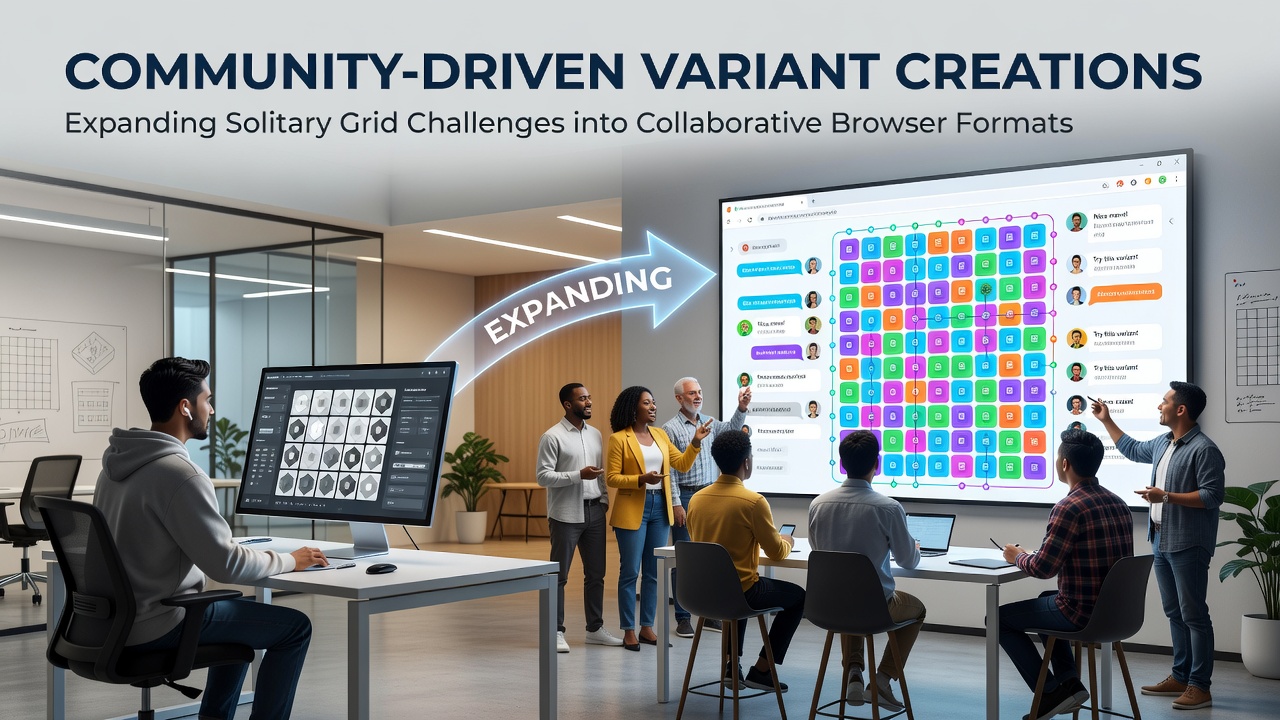
Community members have transformed traditional solitary grid puzzles such as Sudoku and number placement challenges into shared browser experiences where multiple participants contribute simultaneously to solving and modifying the same layout. These developments rely on open-source code repositories and discussion forums where users propose rule changes, add cooperative elements, and test variants together before releasing them on public web platforms.
Origins of Grid-Based Puzzle Adaptations
Single-player grid formats originated decades ago with paper-based designs that required individual focus on cell completion and constraint satisfaction, yet online communities began experimenting with modifications as early as the mid-2010s through simple JavaScript implementations. Data from puzzle hosting sites shows participation in variant creation rising steadily, with browser tools enabling real-time synchronization that allows contributors across different time zones to iterate on the same grid simultaneously.
Researchers at institutions including those affiliated with the Digital Games Research Association have documented how these efforts expanded beyond basic rule tweaks to include layered objectives where one participant handles row constraints while another manages column interactions within the same interface. In July 2026 several major browser game portals recorded increased traffic to collaborative grid sections, coinciding with updates that integrated user-submitted templates directly into the platform's core library.
Technical Mechanisms Enabling Collaboration
Browser environments use WebSocket connections and shared database structures to maintain consistent grid states across users, which prevents conflicts when multiple editors adjust values at once. Developers integrate conflict-resolution algorithms that prioritize logical consistency over individual inputs, ensuring that any proposed change adheres to the puzzle's fundamental constraints before it becomes visible to the group.
Code repositories hosted on public platforms allow contributors to fork existing solitaire scripts and introduce features such as shared timers or collective scoring systems. Observers note that these adaptations often incorporate visual indicators showing which cells have been claimed or verified by specific participants, turning the once-private solving process into a transparent workflow visible to everyone involved.
Examples of Variant Expansions in Practice
One documented case involved a number-placement grid that started as a standard 9x9 layout and evolved through forum discussions into a multi-phase challenge where teams divided the board into quadrants for parallel work before merging results. Another variant introduced hidden sub-grids that unlock only after collective completion of base layers, requiring coordinated input from at least three users to progress.
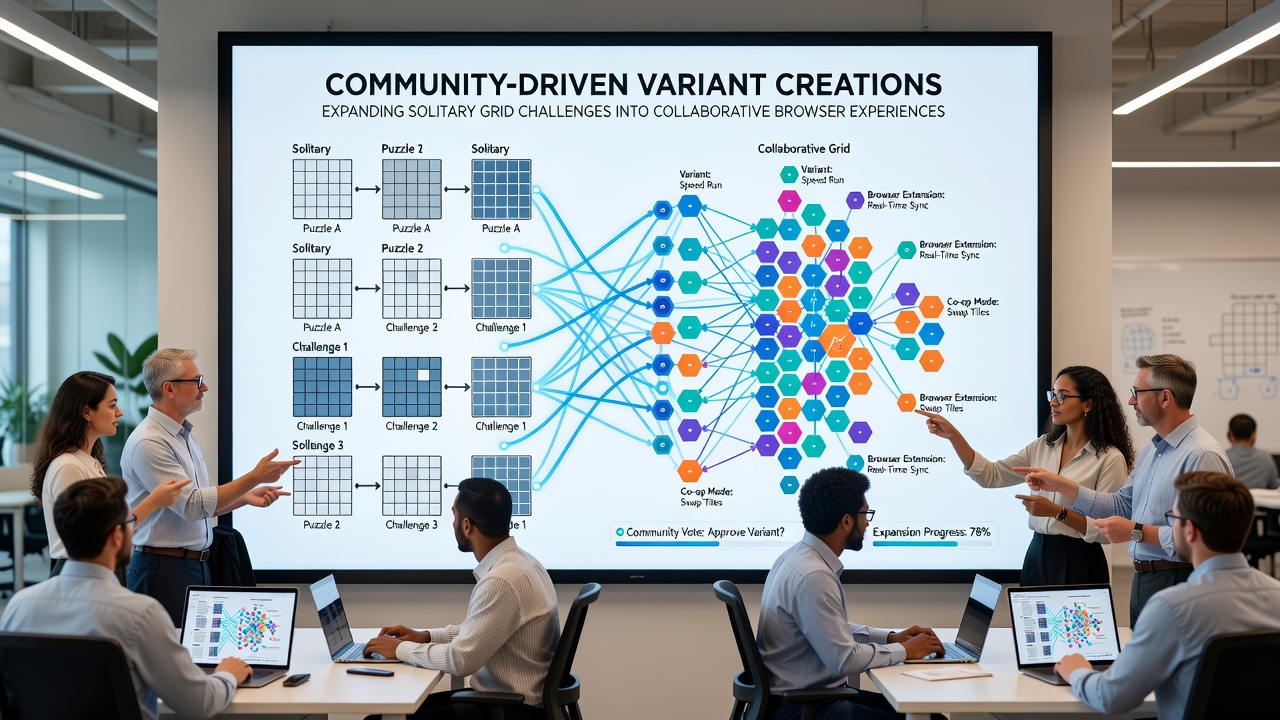
Platforms supporting these formats report that community-created versions often include export functions allowing groups to save their modified rulesets for future sessions or redistribution. According to figures from the Canadian Interactive Digital Entertainment Association, browser-based collaborative puzzles accounted for a measurable portion of new user registrations in 2025, with growth continuing into the following year as template-sharing features improved.
Patterns Observed Across User Contributions
Analysis of public repositories reveals recurring themes in how participants extend solitary mechanics. Common additions include permission tiers that let experienced users approve changes proposed by newcomers, alongside logging systems that track the sequence of edits for later review. These elements help maintain puzzle integrity while encouraging broader participation from individuals who might not have engaged with the original single-player versions.
Studies conducted through academic partnerships indicate that such collaborative adaptations frequently incorporate elements from adjacent game categories, such as resource allocation layers or timed phases, yet always preserve the core grid logic that defines the original challenges. Participants often test these hybrids on temporary servers before submitting finalized versions to larger distribution networks.
Conclusion
Community-driven modifications continue to reshape how grid-based puzzles operate within browser environments by converting isolated activities into group endeavors supported by synchronized tools and shared repositories. Records from July 2026 onward show sustained activity in this area, with new variants emerging regularly from discussions that span multiple regions and skill levels. The pattern demonstrates how open participation structures enable the systematic expansion of established formats into formats that accommodate simultaneous contributions without altering their foundational constraints.