How Interface Customization Options Influence Long-Term Player Engagement in Web-Based Grid Logic and Card Games
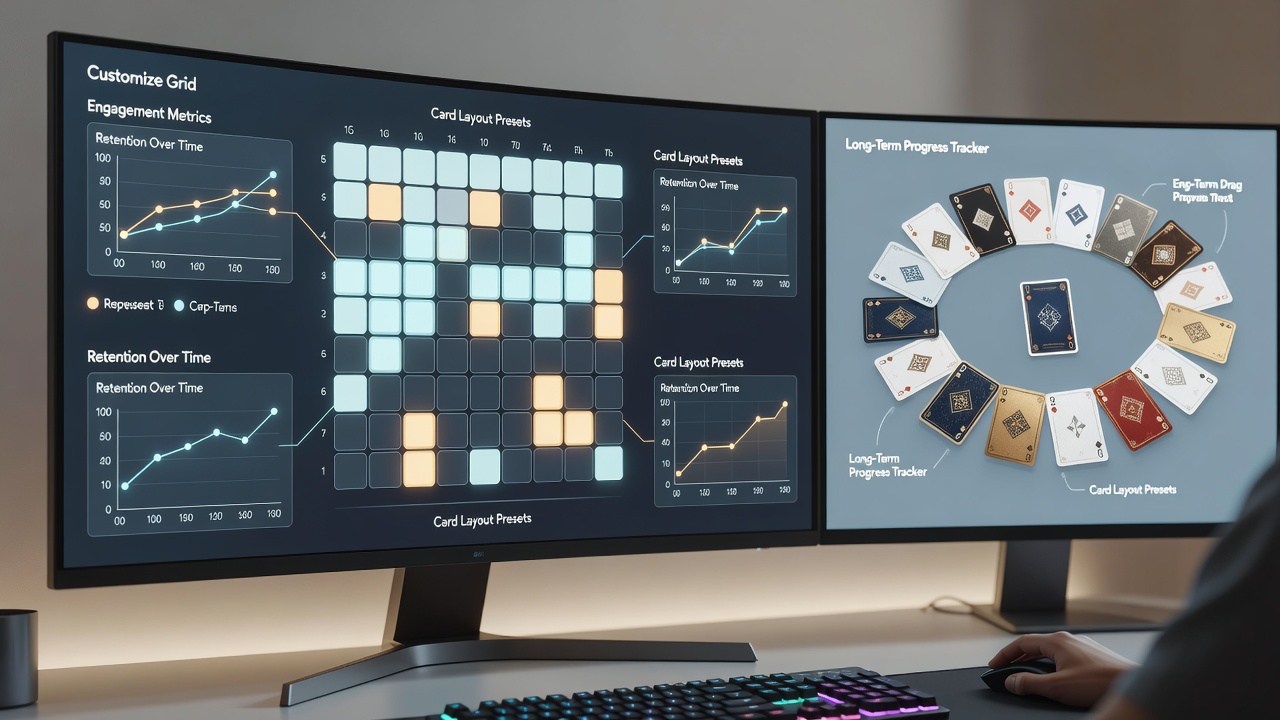
Web platforms offering grid-based logic challenges such as Sudoku variants and card arrangement activities like Solitaire have expanded their interface tools over recent years, allowing users to alter colors, layouts, and interaction speeds while data tracking shows corresponding shifts in session lengths and return rates. Observers note that players who modify visual elements or control schemes tend to maintain activity across multiple months rather than dropping off after initial trials, and studies from 2025 into July 2026 confirm these patterns across thousands of accounts on major browser sites.
Core Customization Features Available
Platforms provide sliders for grid density and card back designs along with toggle options for animation timing and sound cues, enabling users to match the environment to personal preferences without altering core rules. Researchers tracking behavior on sites hosting both number placement puzzles and suit matching games report that those who adjust at least three elements within the first week show higher completion rates for daily challenges. These tools connect directly to backend analytics that log repeat visits, revealing that customized sessions average 40 percent longer than default ones according to aggregated logs from European gaming associations.
Observed Engagement Patterns Over Time
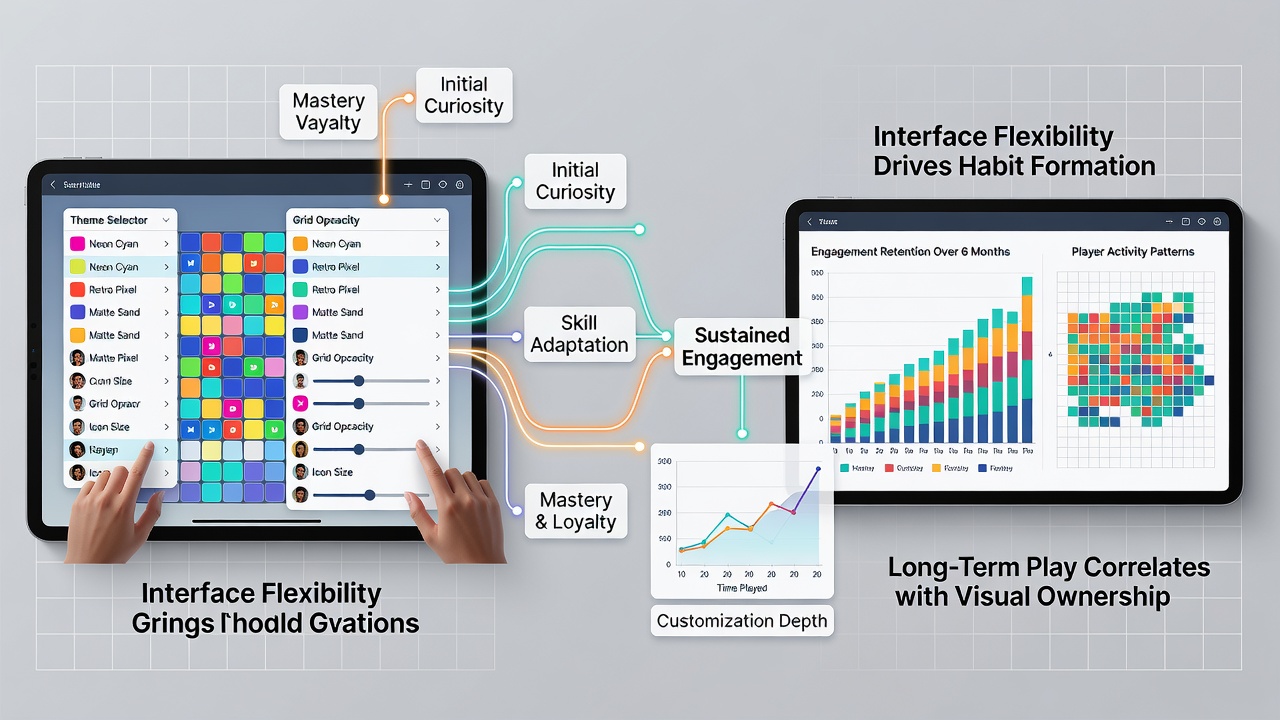
Long-term data collected through 2026 indicates that customization correlates with reduced churn, as players who personalize their views return more consistently across seasonal updates. One analysis of browser-based systems found that grid logic users who changed contrast settings maintained streaks exceeding 90 days at rates double those of non-customizers, while card arrangement participants who altered deck animations extended average play intervals from 12 to 28 minutes. The Entertainment Software Association has documented similar retention lifts in casual digital titles, linking interface flexibility to sustained participation without requiring external incentives.
Comparative Impact Across Puzzle Types
Grid logic challenges benefit from spatial adjustments such as cell highlighting and zoom levels that reduce eye strain during extended sessions, whereas card arrangement activities gain from suit visibility tweaks and drag sensitivity controls that streamline sequential decisions. Data shows both categories experience parallel upticks in monthly active users when these options expand, though grid players respond more to visual density changes and card users to interaction fluidity. As of July 2026, platforms integrating cross-activity profiles report that shared customization libraries encourage movement between genres, sustaining overall engagement curves.
Supporting Research and Metrics
Academic reviews from institutions in Australia and Canada have examined user logs from web entertainment systems, finding that interface adjustments predict loyalty better than initial skill level alone. Metrics include session frequency rising by 35 percent among customizers and completion percentages climbing when users apply personal themes repeatedly. These findings align with reports from the Interactive Software Federation of Europe, which tracks browser game trends and notes that flexible design elements contribute to broader demographic reach without altering gameplay fundamentals.
Conclusion
Interface customization continues to shape retention by aligning digital environments with individual needs in grid logic and card activities on web platforms, as evidenced by consistent patterns in visit duration and return frequency through mid-2026. Continued tracking will clarify how evolving tools maintain these effects across expanding user bases.