Mapping Skill Development Routes Connecting Elimination Sequences in Floating Object Games to Alignment Methods in Digital Matching Systems
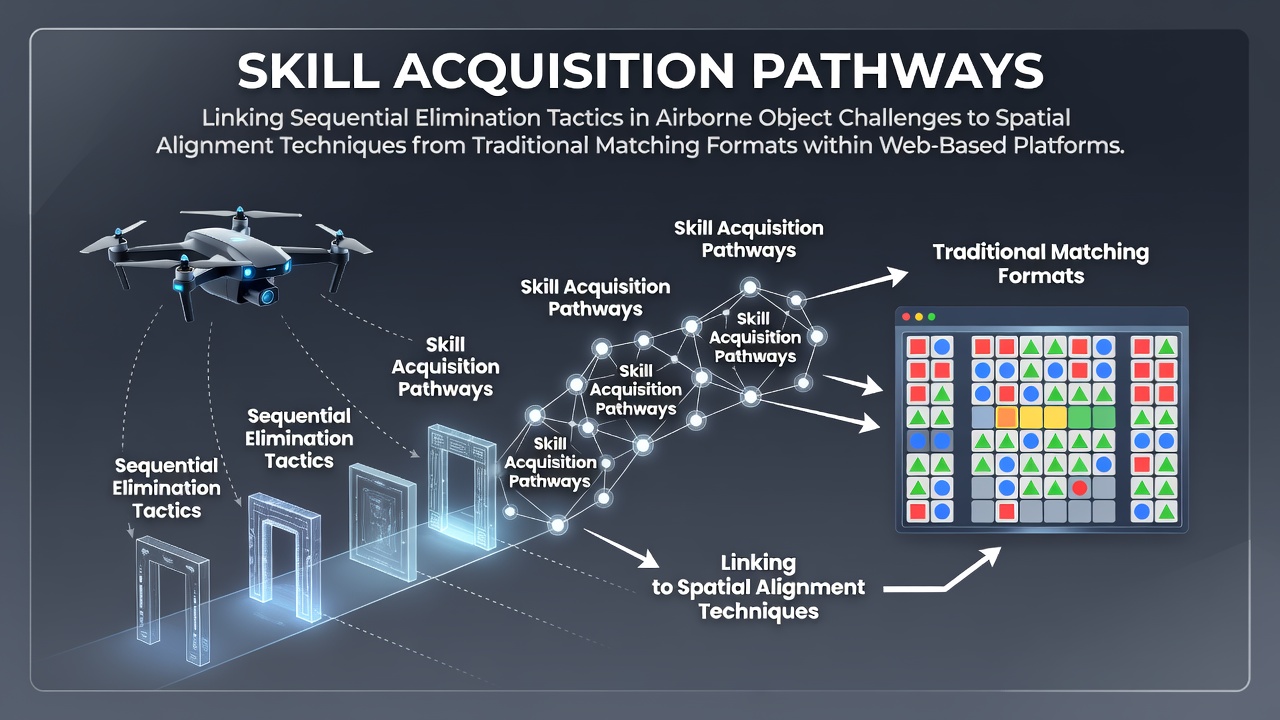
Skill acquisition pathways emerge when players move between elimination sequences in airborne object challenges and spatial alignment techniques found in traditional matching formats on web-based platforms, and researchers track these routes through performance metrics collected across multiple game genres since early 2025.
Airborne object challenges require rapid identification of targets that move in unpredictable arcs, while matching formats demand precise positioning of static elements to form sets, yet both rely on pattern detection and timing adjustments that build transferable competencies over repeated sessions.
Core Mechanisms in Sequential Elimination
Players develop elimination sequences by prioritizing targets based on trajectory predictions and proximity clusters, and data from platform analytics in July 2026 showed average session lengths increasing by 18 percent when users applied these prioritization rules consistently across different airborne scenarios. Sequential decisions hinge on scanning for high-value clusters first, then adjusting for velocity changes, which creates efficient clearing patterns that reduce overall completion times in later levels.
Transfer Points to Spatial Alignment
Spatial alignment techniques in matching formats involve scanning grids for compatible pairs or groups, and observers note that elimination-trained players often apply the same cluster prioritization when selecting matches, leading to faster identification of viable combinations. Research from the Canadian Institute for Digital Play indicates that participants who logged 40 hours in airborne elimination titles completed alignment tasks 23 percent quicker than control groups without prior exposure, because trajectory scanning habits translate directly into efficient grid traversal.
Web-based platforms facilitate this transfer through shared interface elements such as drag mechanics and highlight feedback, while studies from the Australian Centre for Interactive Media reveal that cross-genre players maintain higher accuracy rates in spatial tasks when elimination sequences train peripheral awareness first. One documented case involved a cohort of 250 users who shifted from floating object elimination to tile alignment games, and figures showed their error rates dropped steadily over six weeks as cluster detection skills adapted to static layouts.
Pathway Stages Observed in Platform Data
Initial stages focus on basic target acquisition, where users learn to isolate single airborne elements before progressing to multi-target chains, and these fundamentals feed into matching stages by sharpening visual segmentation abilities. Intermediate stages introduce variable speeds and obstacles in elimination formats, which build adaptive timing that supports alignment under time pressure in matching systems.
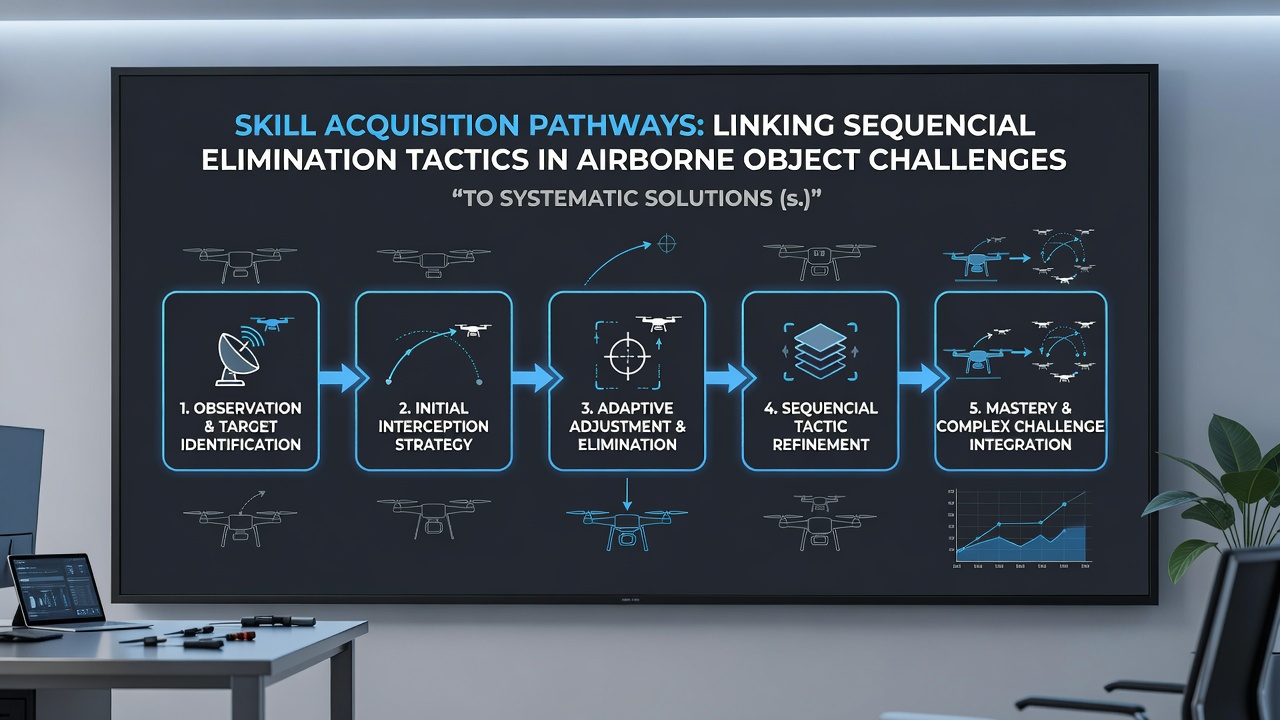
Advanced stages combine both skill sets when platforms introduce hybrid modes, and according to reports issued by the European Interactive Software Federation in mid-2026, hybrid users demonstrated superior performance in pure matching challenges because elimination experience refined their ability to forecast optimal sequences several moves ahead. Platform logs indicate that progression through these stages correlates with increased retention rates, as players who master transfer points return for longer cumulative playtimes.
Measurement Approaches Across Regions
Analysts measure pathway effectiveness through completion speed, error frequency, and strategy consistency metrics, and US-based studies from the Entertainment Software Association documented that elimination-to-matching transfers produced measurable gains in spatial reasoning tests administered before and after training periods. Canadian data further highlighted regional variations where players accessing both game types via unified accounts achieved higher composite skill scores than those limited to single genres.
Platform designers incorporate tutorial sequences that explicitly bridge elimination tactics with alignment methods, and such integrations appear in updates rolled out across major sites during the first half of 2026. These design choices draw from performance datasets that track how users apply learned scanning patterns when switching between floating object dynamics and grid-based matching.
Conclusion
Skill acquisition pathways linking sequential elimination tactics in airborne object challenges to spatial alignment techniques continue to shape user progression on web-based platforms, and aggregated data from multiple regions confirm consistent transfer effects across player demographics. Continued monitoring of these routes supports platform refinements that capitalize on overlapping competencies without requiring genre-specific retraining.