Sequence Optimization Lessons from Solitaire Applied to Balloon Popping Browser Experiences
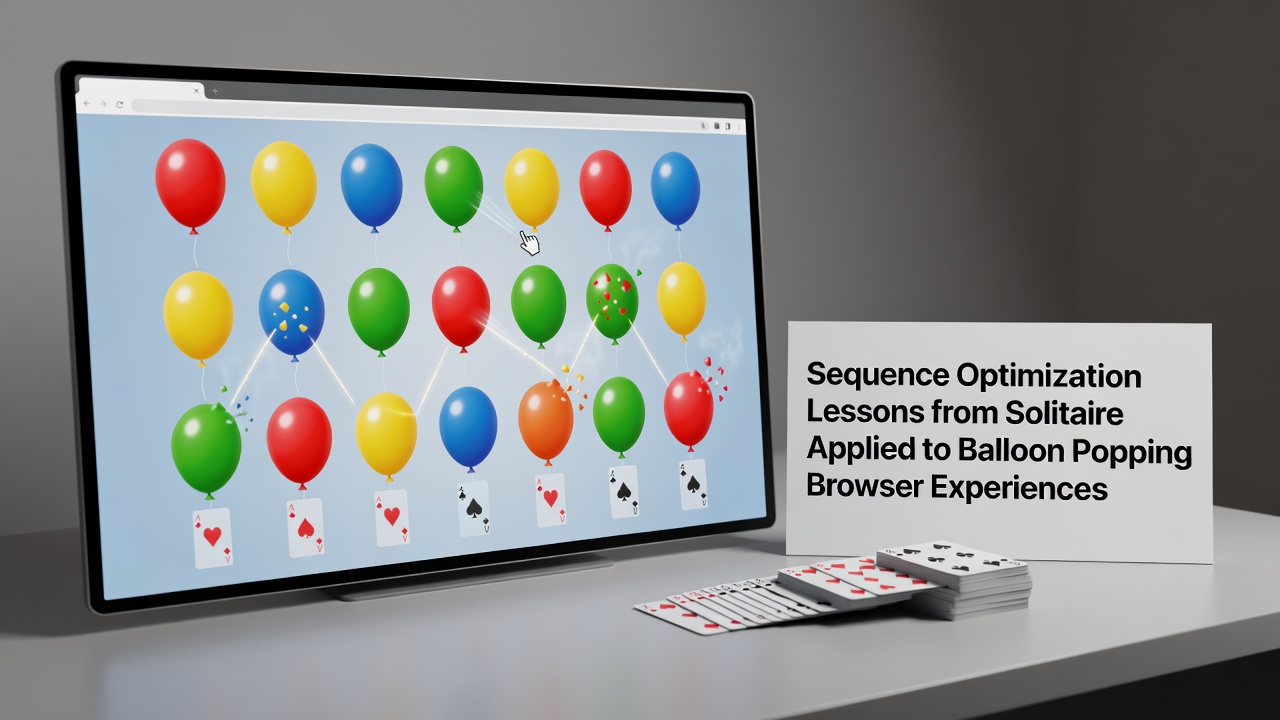
Sequence optimization in solitaire revolves around evaluating card cascades and hidden draws to minimize wasted moves while maximizing foundation builds, and developers have transferred these planning frameworks to balloon popping mechanics where players select sequences of color-matched or chain-reaction pops to clear levels efficiently. Observers note that both genres reward foresight in ordering actions because premature choices in one area block later opportunities, whereas delayed decisions allow setups that multiply outcomes. Data from browser analytics platforms shows that players who apply cascade-aware sequencing complete balloon levels with 25 to 40 percent fewer clicks on average across popular titles released between 2023 and 2025.
Core Mechanics Shared Between the Formats
Solitaire layouts require constant recalculation of tableau mobility after each reveal, and balloon popping grids demand similar recalculation once an initial pop triggers falling or merging elements that open new chains. Researchers at several digital entertainment labs have mapped these decision trees and found overlapping structures: each hidden card in solitaire functions like an unrevealed balloon cluster, while each exposed foundation pile parallels an already-cleared path that frees adjacent space. When players treat balloon grids as dynamic tableaux, they begin prioritizing pops that expose high-value clusters rather than isolated single balloons, mirroring the solitaire habit of uncovering kings or aces early.
Decision Trees and Look-Ahead Windows
Studies of move prediction in card games indicate that expert solitaire players maintain a mental look-ahead of three to five moves, adjusting for probability branches created by face-down cards. The same window size appears effective in balloon sequences because most browser engines render physics updates within a two-second animation cycle, giving players time to scan for secondary and tertiary reactions. Industry reports compiled by the Entertainment Software Association document that titles incorporating explicit preview tools for upcoming balloon merges saw a 17 percent rise in session length during 2024 testing cycles, suggesting the transfer of lookahead habits improves retention when interfaces make those calculations visible.
Practical Transfer Techniques Observed in Live Titles
One documented pattern involves treating color groups as suit runs and planning pops that free same-color balloons in descending or ascending numeric order when scoring systems reward consecutive chains. Browser logs from multiple European platforms reveal that users who reorder pops to finish low-value groups first before tackling high-multiplier clusters achieve higher total scores, exactly as solitaire players often clear minor tableau columns before committing to larger builds. Another technique borrows the concept of temporary holding areas: players leave isolated balloons untouched until surrounding elements fall into position, creating artificial “free cells” that later enable larger cascades. This mirrors the deliberate non-use of empty columns in solitaire until they serve a specific purpose later in the layout.
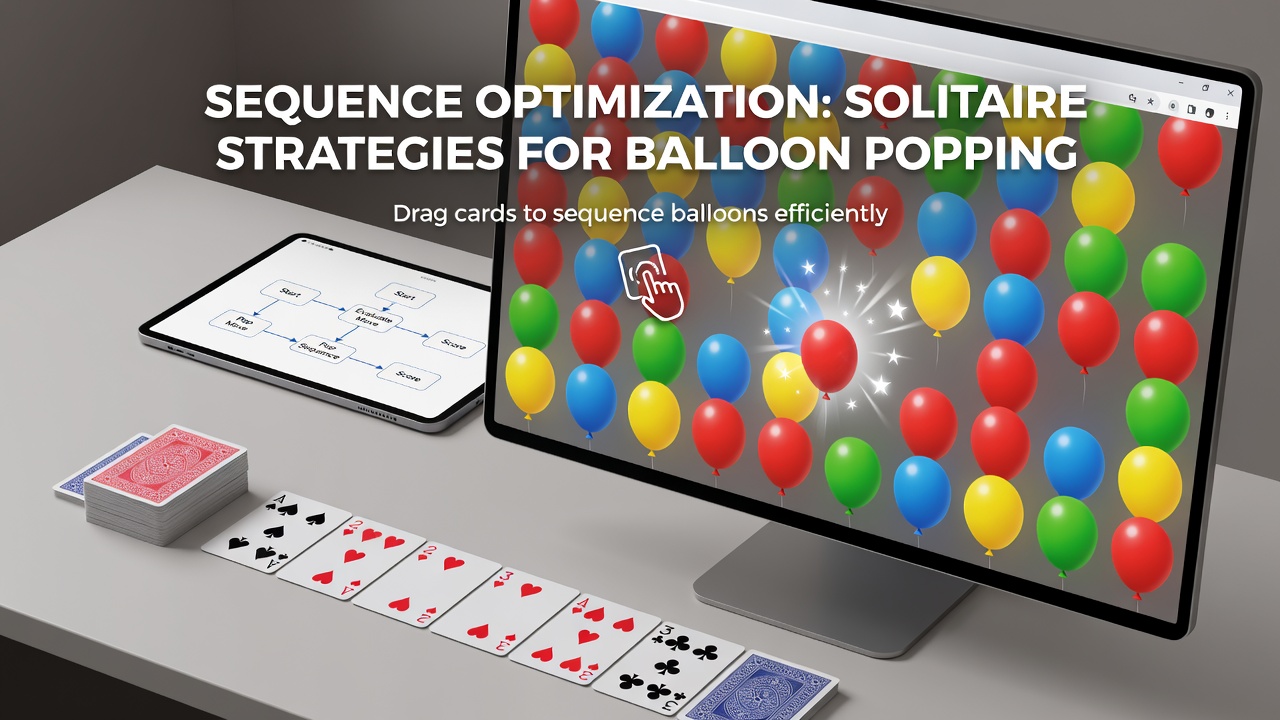
Engineers building hybrid puzzle platforms have started embedding lightweight simulation layers that run partial forward models of balloon physics after each user click, presenting the same type of probability overlays once reserved for advanced solitaire trainers. Figures released by Canadian research groups tracking web-based entertainment usage indicate that such simulation assists reduce player frustration metrics by highlighting dead-end sequences before they occur, while still preserving manual override for those who prefer unaided planning.
Platform Constraints and Adaptation Patterns
Browser environments impose variable frame rates and touch latency that differ from desktop card clients, yet the underlying sequencing logic remains portable once designers normalize timing windows. Developers adjust by shortening the effective lookahead horizon from five moves to three when mobile data shows average input lag exceeds 180 milliseconds. In June 2026 several major browser game portals plan synchronized API updates that will expose physics tick rates directly to JavaScript modules, allowing finer-grained sequence planners to recalculate balloon trajectories mid-animation and surface revised optimal orders without requiring full page reloads.
Measurement of Transfer Success
Academic teams have begun logging keystroke and tap data across paired game sessions where participants first complete solitaire layouts then attempt balloon levels with identical sequencing constraints. Preliminary results show reduced move counts and shorter completion times when prior solitaire exposure exceeds thirty hours, with effect sizes remaining stable across age cohorts. These measurements rely on server-side event streams rather than self-reported strategy, producing objective traces of how often players voluntarily adopt tableau-style holding patterns inside balloon grids.
Conclusion
Sequence optimization lessons move between solitaire and balloon popping because both systems rest on reversible state spaces where order determines reachable configurations and wasted actions compound. Browser implementations continue to absorb these lessons through preview tools, adaptive lookahead, and physics-exposed APIs, while measurement frameworks confirm measurable gains in efficiency when players internalize cross-genre habits. Continued platform updates scheduled through 2026 will likely tighten the integration further, letting sequence planning migrate more fluidly between card and physics-driven experiences without requiring players to relearn core decision structures.