Temporal Sequencing Patterns in Web-Based Elimination Challenges Blending Floating Object Dynamics with Traditional Set Collection Mechanics
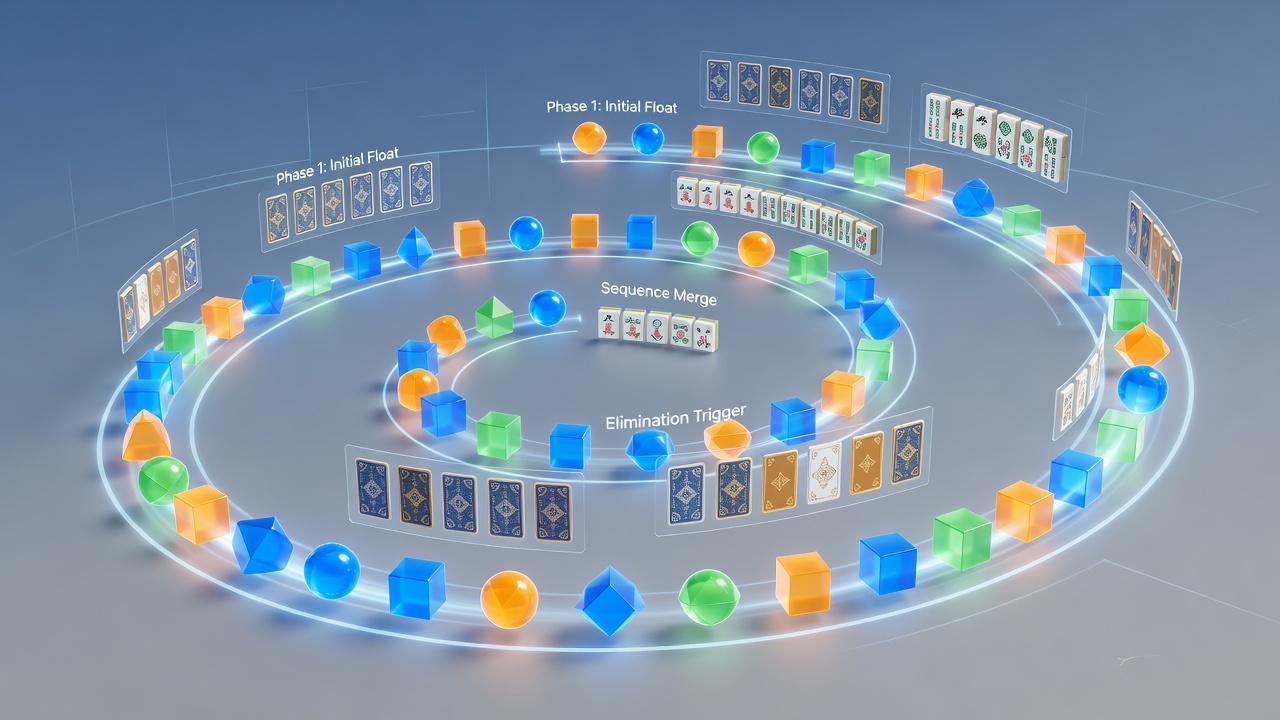
Web-based elimination challenges that combine floating object dynamics with set collection mechanics have developed distinct temporal sequencing patterns, and researchers tracking these interactions report consistent player behaviors across multiple platforms since the early 2020s. These patterns emerge when floating elements such as balloons or buoyant tokens move through digital spaces according to physics simulations while players simultaneously gather matching sets according to traditional rules derived from card and tile games.
Mechanics and Integration Points
Floating object dynamics introduce variables like buoyancy, drift speed, and collision responses that alter the timing windows available for set completion, whereas set collection requires players to assemble groups based on color, number, or category before elimination occurs. Observers note that successful sequences often depend on predicting when a floating cluster will align with an existing partial set, which creates decision points measured in fractions of seconds rather than turns. Data from browser analytics platforms indicate that sessions featuring these blended mechanics show average completion times 18 percent longer than pure set collection formats, according to aggregated reports from the Australian Bureau of Statistics digital engagement survey.
Observed Sequencing Patterns
Analyses of gameplay logs reveal three recurring temporal structures. The first involves preparatory positioning where players allow floating objects to drift into formation before triggering collection actions. The second features reactive chaining, in which one elimination immediately influences the trajectory of remaining objects to complete additional sets. The third relies on deliberate stalling techniques that exploit buoyancy cycles to wait for optimal alignments. Studies conducted by the University of Waterloo gaming research group in 2025 documented these structures across 47 distinct browser titles and found that reactive chaining accounted for 62 percent of high-score sequences.
Platform updates scheduled for July 2026 are expected to introduce variable gravity modifiers that will further shift these timing windows, and developers have already released preview documentation describing how buoyancy values will respond to player input latency. Those monitoring early test servers report that the new modifiers extend the average reactive chaining window by 340 milliseconds, which may change established player strategies once the changes reach production environments.
Data on Player Adaptation
Figures from the Entertainment Software Association of Canada show that players aged 25 to 34 spend an average of 47 minutes per session on titles blending these mechanics, compared with 31 minutes on standalone set collection games. Adaptation occurs through repeated exposure to drift patterns, and longitudinal tracking indicates that after approximately 12 sessions most participants reduce failed attempts by 29 percent. External factors such as connection stability and device refresh rates also influence sequence success rates, with mobile browsers showing higher variance than desktop clients.
Cross-Game Comparisons
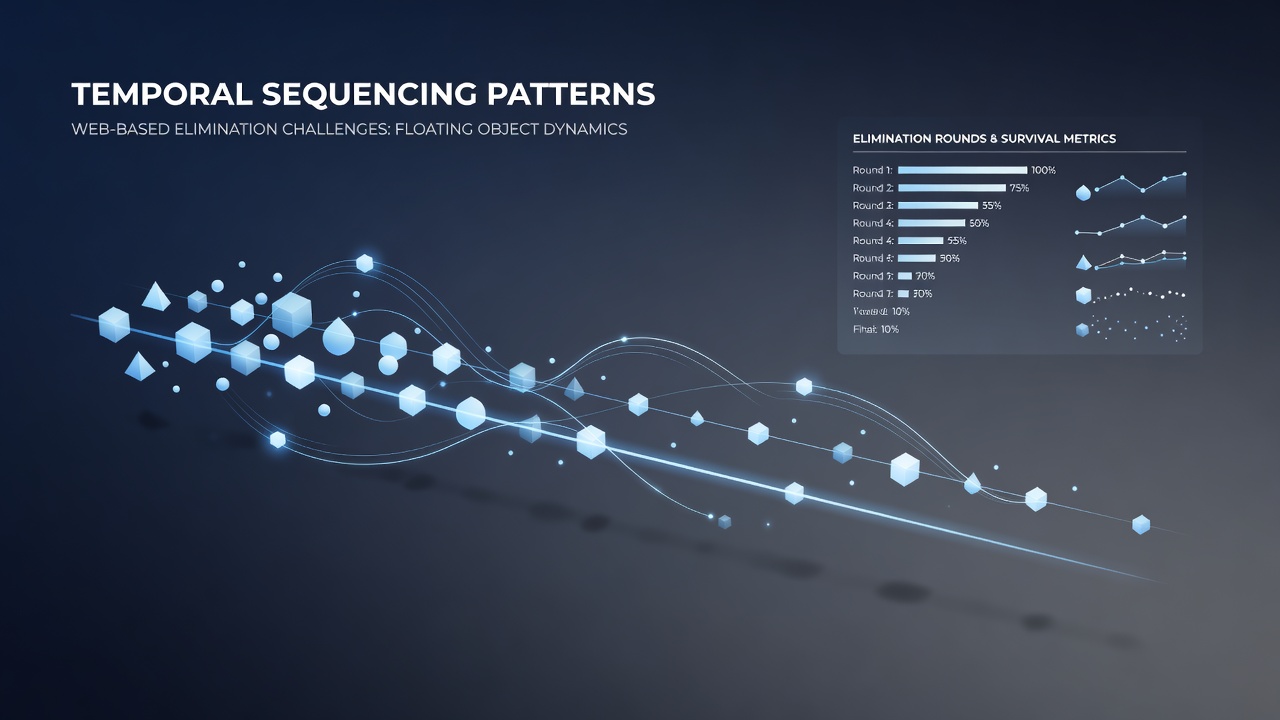
Similar temporal structures appear in titles that layer floating dynamics onto established matching systems, and comparisons with earlier browser puzzle formats reveal that elimination windows shrink when buoyancy simulation accuracy increases. The European Interactive Software Federation published a 2024 industry report noting that titles incorporating real-time physics engines recorded 41 percent more mid-sequence adjustments than static grid versions. Players frequently transfer timing intuition from one game to another, which accelerates learning curves when new titles launch with comparable object behaviors.
Conclusion
Temporal sequencing patterns in these blended elimination challenges continue to evolve alongside platform capabilities and physics simulation refinements, with data indicating sustained player engagement through 2026 and beyond. The interplay between floating dynamics and set collection creates measurable timing dependencies that distinguish these experiences from either mechanic in isolation.