Tracing Cognitive Pattern Recognition Across Solitaire Layouts and Sudoku Grids Within Interactive Web-Based Entertainment Systems
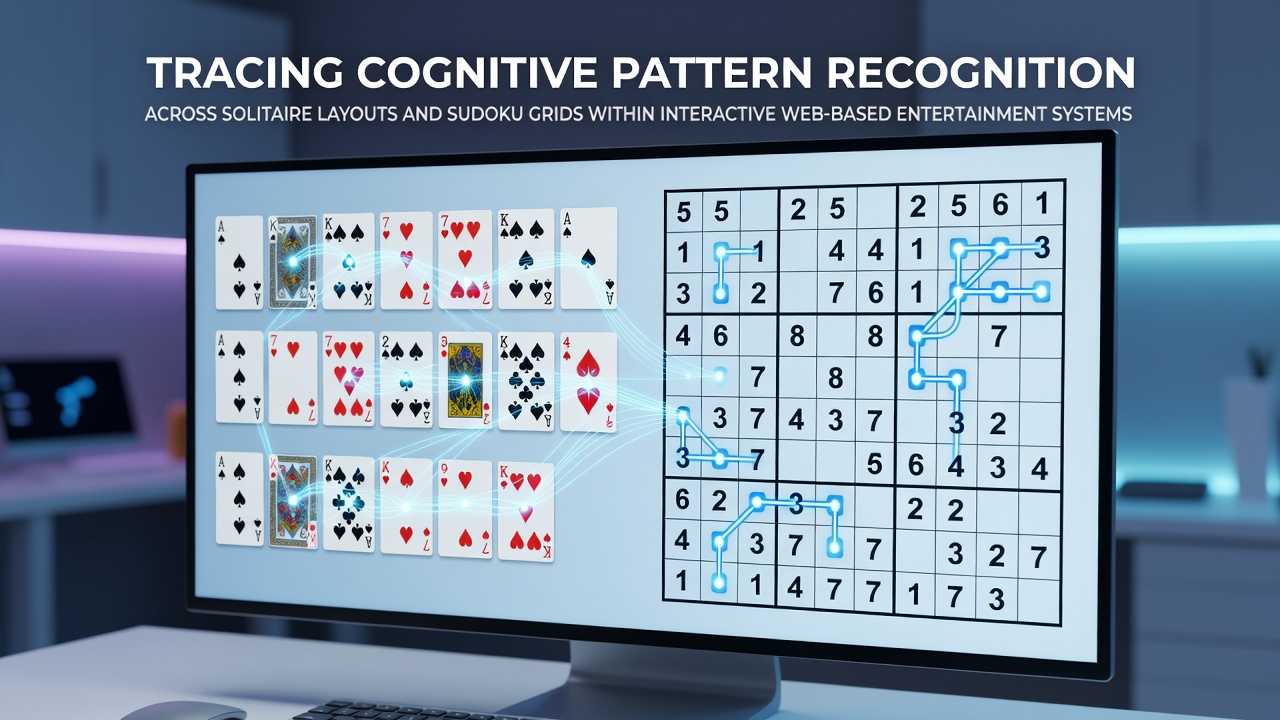
Digital entertainment platforms have expanded rapidly since the early 2000s, and researchers continue to examine how users engage with pattern recognition tasks embedded in games like solitaire and sudoku. These systems operate through browser interfaces that present card sequences in solitaire alongside numerical grids in sudoku, allowing direct comparison of cognitive strategies across formats. Data from multiple studies indicate that players apply similar visual scanning techniques whether they arrange cards into foundation piles or fill cells according to row and column constraints.
Core Mechanisms in Solitaire Layouts
Solitaire variants on web platforms typically arrange 52 cards into seven columns with alternating colors and descending ranks, while free cells or waste piles add layers of decision points. Pattern recognition emerges when users identify movable sequences, such as building red sixes onto black sevens, and this process repeats across hundreds of potential moves per session. Observers note that successful players track overlapping dependencies between columns, which requires holding multiple spatial relationships in working memory simultaneously.
Web-based implementations track these interactions through analytics that log move sequences and time intervals. Figures from industry reports reveal that average session durations for solitaire reach 12 to 18 minutes on desktop browsers, with repeat visits correlating to mastery of recurring layout patterns. Those patterns include empty column creation for temporary card storage and suit completion cycles that reward forward planning.
Parallel Processes in Sudoku Grids
Sudoku grids present a 9x9 structure divided into blocks, where each row, column, and block must contain digits one through nine without repetition. Pattern recognition here involves scanning for naked singles, hidden pairs, and chain implications that eliminate candidate values. Interactive systems deliver these grids with real-time validation, highlighting conflicts as soon as a user enters an inconsistent number.
Research indicates that experienced players shift attention fluidly between local cell constraints and global grid symmetry. One study conducted by Canadian cognitive science teams in 2024 documented eye-tracking data showing that proficient solvers spend 65 percent of their time on row and column intersections rather than isolated cells. This distribution mirrors the column-scanning behavior observed in solitaire, where attention moves across multiple piles instead of focusing on single cards.
Transfer of Recognition Strategies Across Game Types
Web entertainment systems increasingly host both game categories within unified accounts, enabling seamless transitions between solitaire sessions and sudoku challenges. Data shows that users who complete daily solitaire layouts often exhibit faster initial scanning times when opening sudoku puzzles later in the same sitting. The overlap appears in shared tactics such as elimination of impossible options and maintenance of mental inventories for future placements.
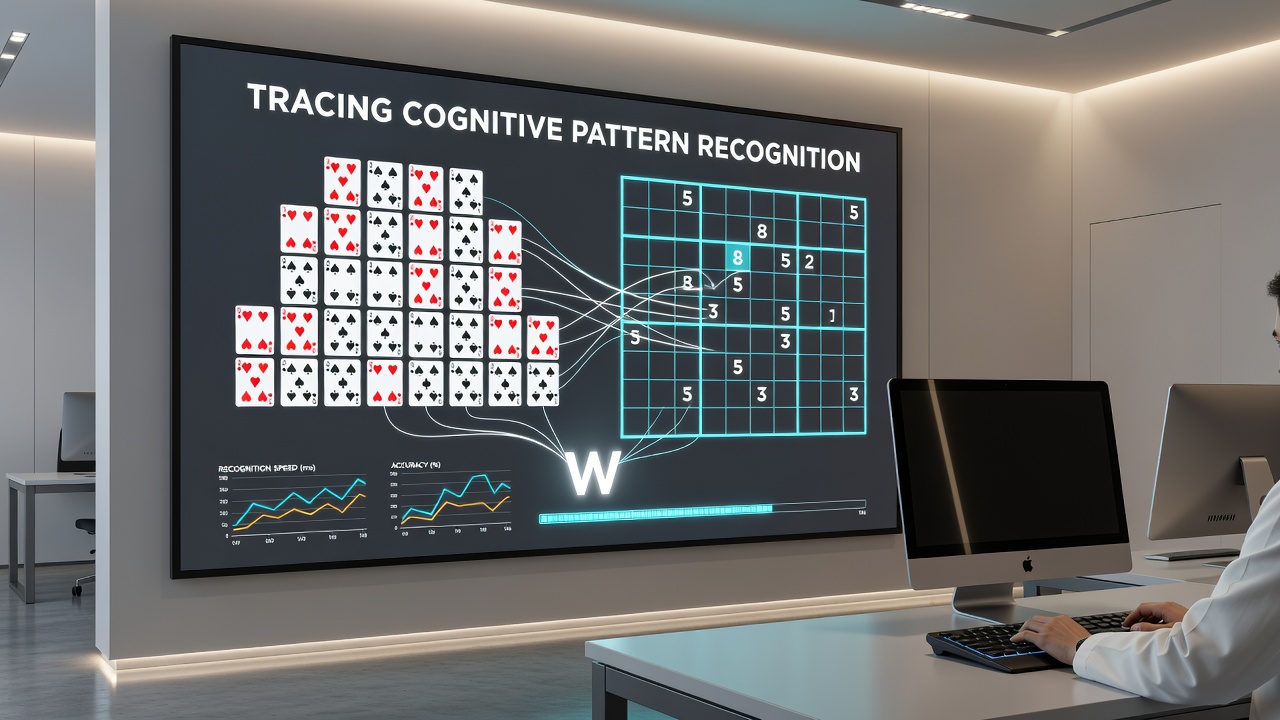
European digital media research groups published findings in late 2025 that tracked cross-game performance among 2,400 participants across multiple platforms. Results demonstrated measurable reductions in error rates when players alternated between the two formats, suggesting consolidation of pattern templates rather than isolated skill development. These templates encompass visual chunking of sequences in cards and numerical triplets in grids, both of which reduce cognitive load during extended play.
Platform Features Supporting Pattern Tracking in June 2026
By June 2026 browser-based systems incorporate adaptive hint engines that highlight candidate moves derived from detected user patterns. These engines analyze prior sessions to surface relevant sequences without revealing full solutions, preserving the recognition challenge. Regulatory bodies in Australia and several EU member states require transparent disclosure of such algorithmic assistance to maintain fair engagement standards.
Developers integrate progress dashboards that display heat maps of frequently revisited board regions, allowing players to review where recognition lapses occurred. Such visualizations draw from aggregated anonymized data and align with guidelines issued by international gaming research consortia focused on cognitive skill measurement.
Measurement Approaches and Data Collection
Analytic frameworks employed by platform operators record metrics including move efficiency ratios, backtrack frequency, and time-to-insight intervals. Academic partners at institutions in the United States and Japan have collaborated on open datasets that isolate pattern recognition variables while controlling for prior gaming experience. These datasets enable longitudinal comparisons across thousands of sessions without compromising individual privacy.
One notable dataset released in early 2026 contains anonymized logs from over 150,000 solitaire and sudoku interactions, revealing consistent correlations between layout complexity and recognition latency across both game types. The correlations hold after adjusting for age and self-reported puzzle familiarity, pointing to transferable visual processing components.
Conclusion
Web-based entertainment systems provide controlled environments for observing how pattern recognition operates across solitaire layouts and sudoku grids. Evidence accumulated through platform analytics, eye-tracking studies, and cross-regional research collaborations demonstrates shared cognitive mechanisms that users apply when navigating card sequences and numerical constraints. Continued data collection through June 2026 and beyond will refine understanding of these processes while supporting design choices that maintain engagement without external interference.